
Beyond the Classroom:
How BRAC Builds Youth, Stops Dropouts & Funds Dreams
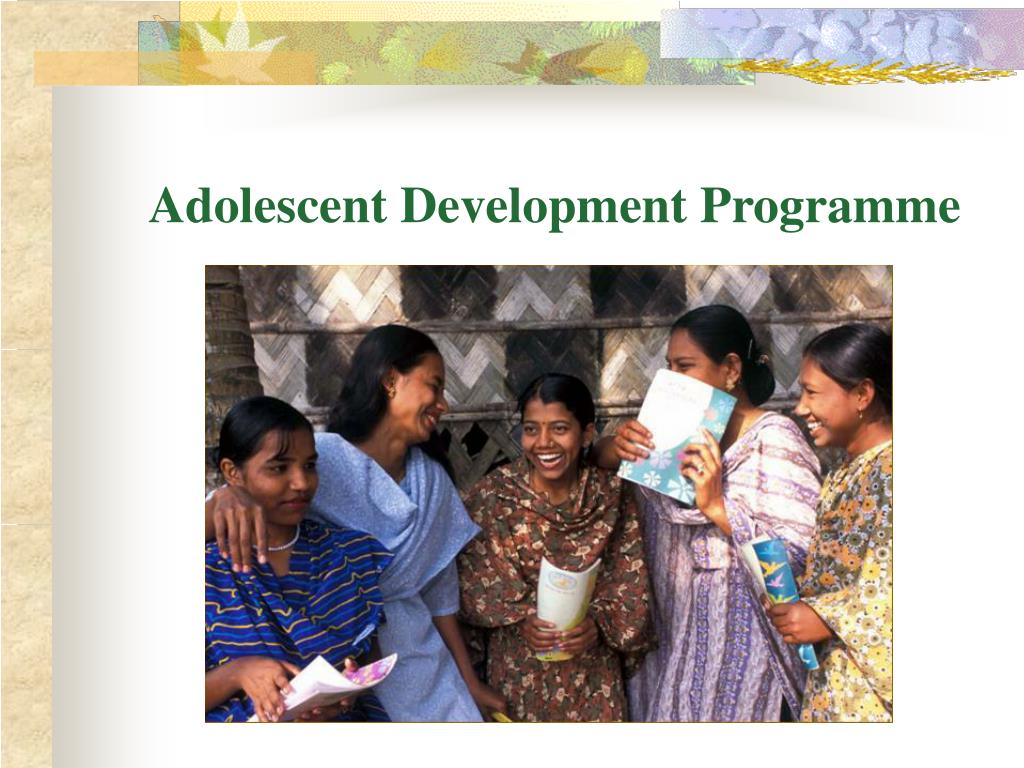
"Education does not end when a child leaves school. For BRAC, that is precisely where the most important work begins."
BRAC's commitment to children does not stop at the primary school gate. In fact, some of its most transformative programmes target the exact moment when formal education is most at risk of collapsing — adolescence. It is the age when girls are pulled out for marriage, when boys are sent to work, and when dreams are quietly buried under the weight of poverty.
BRAC refuses to let that happen. Through a powerful trio of interventions — adolescent clubs, skills training for dropouts, and higher education scholarships — BRAC builds a bridge between childhood and a self-determined future. This is the story of that bridge.
1. Adolescent Development Programme (ADP): Safe Spaces, Strong Girls
Launched in 2000, the Adolescent Development Programme (ADP) is one of BRAC's most celebrated innovations. It was born from a stark reality: in rural Bangladesh, adolescent girls aged 10–19 often vanish from public life. They are confined to homes, denied agency, and seen as burdens to be married off as early as possible.
BRAC's response was elegantly simple and profoundly effective: create safe spaces where girls can be girls — and grow into leaders.
🏠 Kishori Kendro: The Girls' Clubs
At the heart of ADP are the "Kishori Kendros" — Adolescent Girls' Clubs that operate in villages across Bangladesh. These are not classrooms in the traditional sense. They are community-owned safe spaces where girls gather to learn, discuss, play, and support one another under the guidance of a trained BRAC facilitator.
What Happens Inside a Kishori Kendro
- Life Skills Education: Communication, decision-making, critical thinking, negotiation, and self-confidence building
- Leadership Development: Girls elect club leaders, organize events, and learn to speak up in their families and communities
- Health & Hygiene Awareness: Menstrual health, nutrition, reproductive health, and sanitation practices
- Financial Literacy: Basic budgeting, saving habits, and understanding of microfinance and entrepreneurship
- Legal Rights Awareness: Knowledge of laws against child marriage, dowry, domestic violence, and trafficking
- Social Awareness: Discussions on gender equality, climate change, and community issues
💍 Child Marriage Prevention: The Quiet Revolution
Perhaps the most powerful outcome of ADP is its impact on child marriage — a deeply entrenched social practice in rural Bangladesh. BRAC tackles this not through confrontation, but through empowerment and community mobilization:
- Girls learn about the legal marriage age and the health risks of early pregnancy
- They are trained to negotiate with parents and resist pressure to marry early
- BRAC facilitators engage directly with parents, religious leaders, and community elders to shift social norms
- ADP girls often become advocates themselves — preventing marriages not just for themselves, but for their friends and younger sisters
👦 Adolescent Boys Are Not Forgotten
BRAC also runs boys' clubs under ADP, focusing on positive masculinity, gender sensitivity, and responsible citizenship. By engaging boys as allies in the fight against child marriage and gender-based violence, BRAC ensures that social change is not one-sided — it is community-wide.
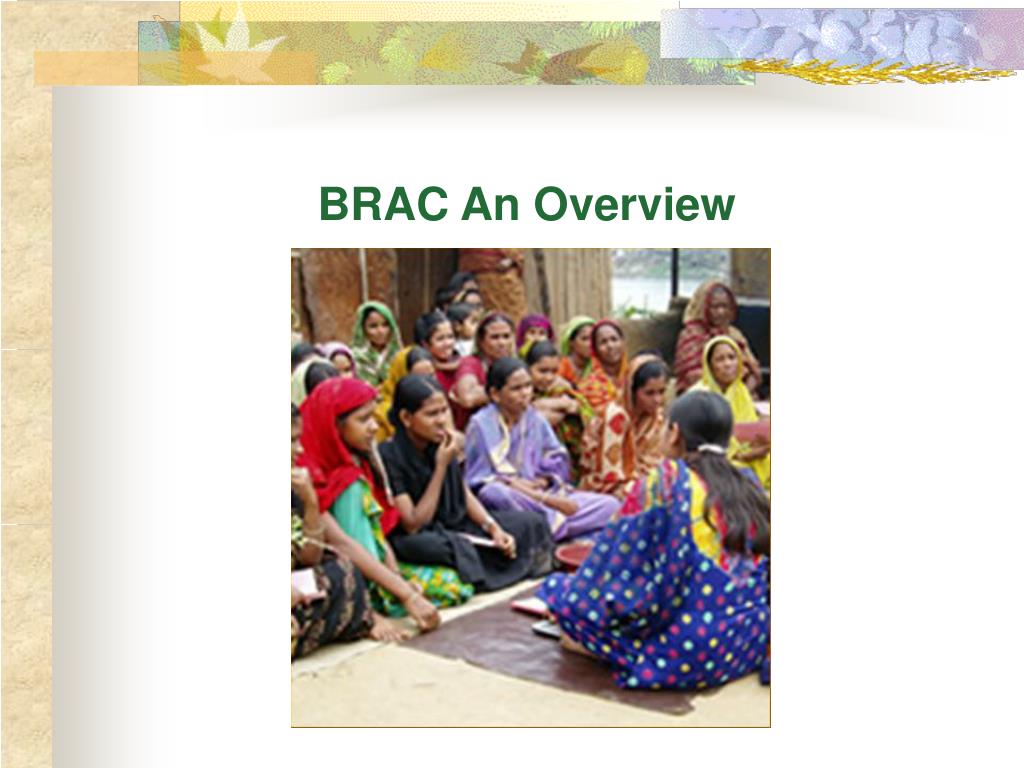
2. STAR Project: Skills for Youth Who Left School Behind
Not every child completes primary education. Poverty, family crises, migration, and early marriage force thousands of young people — particularly from ultra-poor households — to drop out of school every year. By the time they are 15 or 16, they have no formal qualifications, no marketable skills, and no clear path forward.
The STAR Project (Skills Training for Advancing Resources), integrated within BRAC's broader ADP framework, exists precisely for these young people. It offers a second chance — not by sending them back to school, but by equipping them with practical, income-generating skills.
🔧 What STAR Delivers
STAR provides demand-driven vocational and technical training tailored to local job markets and the needs of marginalized youth:
Core Training Areas
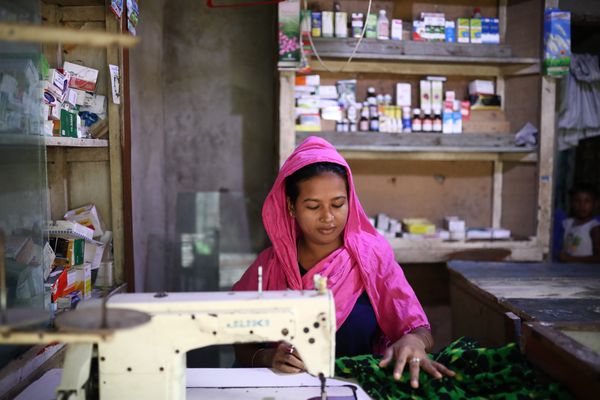
- Garments & Tailoring: Industrial sewing, pattern-making, and garment production skills — connecting trainees directly to Bangladesh's massive ready-made garment sector
- Electrical & Electronics: Basic wiring, mobile phone repair, and household appliance servicing
- Beauty & Wellness: Parlour management, skincare, and hairdressing — popular among female trainees
- IT & Digital Skills: Basic computer operation, data entry, and digital literacy for office-based employment
- Agriculture & Livestock: Modern farming techniques, poultry rearing, and aquaculture for rural youth
- Food Processing & Hospitality: Bakery, food packaging, and basic hotel management
📋 How STAR Works
- Targeted recruitment: BRAC identifies out-of-school youth aged 15–24 from ultra-poor and disadvantaged families
- Short, intensive courses: Training typically lasts 3–6 months, minimizing opportunity cost for families
- Hands-on practice: Emphasis on practical, workshop-based learning rather than theoretical classroom instruction
- Life skills integration: Every trainee receives life skills, financial literacy, and job-readiness coaching alongside technical training
- Job placement support: BRAC connects graduates with local employers, factories, and self-employment opportunities
- Microfinance linkage: Graduates interested in starting their own businesses can access BRAC's microloan products
3. Higher Education Support & Scholarships: Funding the Brightest Minds
For poor but academically talented students in Bangladesh, the biggest barrier to higher education is not ability — it is money. University tuition, exam fees, books, and living expenses can amount to sums that are simply impossible for families surviving on less than $2 a day.
BRAC's scholarship and higher education support programmes exist to tear down this financial wall.
🎓 BRAC Merit Development Digital Fund
The BRAC Merit Development Digital Fund is a strategic initiative designed to identify, nurture, and support academically gifted students from impoverished backgrounds. It operates on a simple but powerful principle: talent is evenly distributed, but opportunity is not.
What the Fund Provides
- Monthly stipends: Regular financial support to cover educational expenses throughout secondary and higher secondary levels
- Admission & exam fee coverage: Full or partial payment of school, college, and university admission costs
- Book & material grants: Free textbooks, reference books, and digital learning devices where needed
- Digital access: Support for internet connectivity and online learning tools — critical in the post-COVID era
- Mentorship: Academic and career guidance from BRAC staff and alumni networks
- Progress tracking: Regular monitoring of academic performance to ensure scholarship recipients stay on track
🏆 Scholarship Ceremonies & Recognition
BRAC regularly hosts scholarship award ceremonies where hundreds of meritorious students are recognized in front of their families, communities, and local leaders. These events serve a dual purpose:
- Financial support: Students receive grants and monthly scholarships that keep them in school
- Social validation: Public recognition sends a powerful message — that poor children can be high achievers, and that their community should invest in them
Many scholarship recipients are the first in their families to attend college or university. Their success ripples outward — inspiring younger siblings, changing parental attitudes toward education, and proving that poverty does not determine destiny.
4. The Connected Ecosystem: How It All Works Together
What makes BRAC's youth programming uniquely powerful is not any single intervention, but how the three pillars connect and reinforce one another:
- A girl in a Kishori Kendro learns about her rights, builds confidence, and avoids child marriage — staying in school long enough to qualify for a BRAC scholarship
- A boy who drops out after Grade 8 joins STAR, learns mobile phone repair, starts earning, and eventually funds his younger sister's education
- A scholarship recipient graduates from university, returns to her village as a teacher, and volunteers as a Kishori Kendro mentor — completing the circle
This is BRAC's ecosystem in action. Each programme feeds into the next. Each success story creates a multiplier effect.
5. Conclusion: Investing in Youth Is Investing in Everything
BRAC's youth development, dropout prevention, and scholarship programmes represent a profound truth: the most valuable investment any society can make is in its young people.
When a girl in a Kishori Kendro learns to say "no" to child marriage, she is not just saving herself — she is reshaping her community's future. When a dropout completes STAR training and opens a tailoring shop, he is not just earning an income — he is breaking a generational cycle of poverty. When a poor but brilliant student receives a BRAC scholarship and becomes a doctor, she is not just achieving a personal dream — she is proving that talent knows no economic boundary.