
BRAC Goes Digital:
How Technology Is Transforming Education for Millions
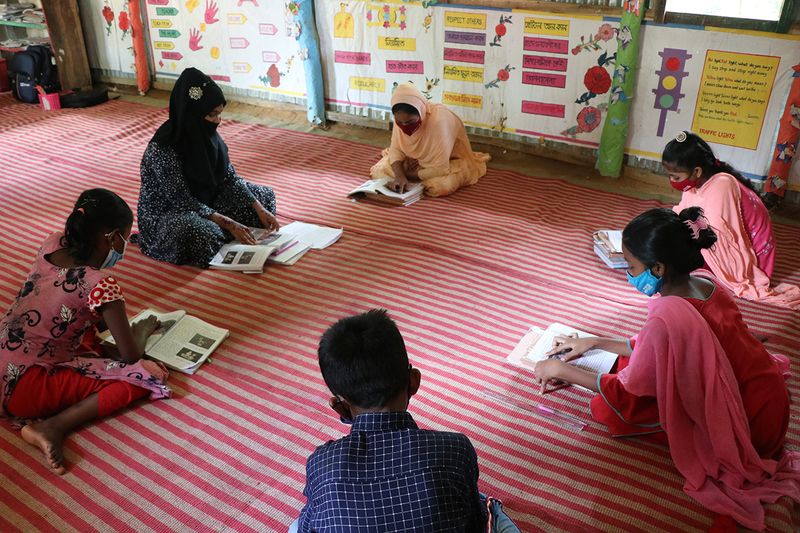
"Technology is not a luxury for the privileged. In BRAC's hands, it is a lifeline for the marginalized."
For decades, BRAC built its reputation on simplicity — one-room schools, local teachers, and community trust. But as the world entered the digital age, BRAC recognized a critical truth: the children it serves cannot be left behind in the technology gap. If digital literacy is the new literacy, then rural Bangladeshi children deserve it just as much as urban elites.
What followed was one of the most ambitious EdTech integrations ever attempted by a non-governmental organization in the developing world. From computer labs in remote secondary schools to TV broadcasts during a global pandemic, BRAC has proven that technology and equity can go hand in hand.
1. Computer & Digital Labs: Bringing ICT to Rural Classrooms
In a country where millions of secondary school students had never touched a computer keyboard, BRAC launched an aggressive campaign to integrate Information and Communication Technology (ICT) into education. The goal was not just to teach computer skills, but to prepare rural youth for a digital economy.
💻 Sheikh Russel Digital Labs
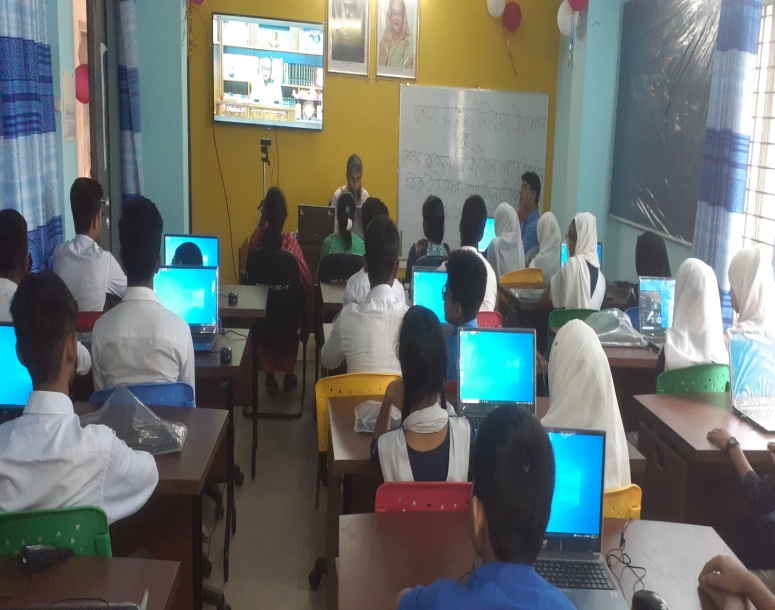
One of the cornerstones of BRAC's digital push is the utilization of Sheikh Russel Digital Labs — government-established computer labs in secondary schools across Bangladesh. BRAC works to ensure these labs are not just ornamental but genuinely functional learning environments.
What BRAC Delivers in Digital Labs
- Hands-on ICT training: Students learn basic computer operations, MS Office, internet browsing, email, and digital safety
- Coding fundamentals: Introduction to programming logic and problem-solving through interactive platforms
- Multimedia creation: Students create presentations, short videos, and digital posters — building creativity alongside technical skills
- Digital literacy for girls: Special emphasis on enrolling female students, challenging the gendered technology gap in rural areas
- Lab maintenance & management: BRAC supports schools in maintaining hardware, ensuring electricity, and managing schedules so labs remain operational year-round
🎯 Proper Utilization & Monitoring
BRAC recognized early that simply installing computers was not enough. Many government labs across the developing world sit locked and unused due to lack of trained teachers, maintenance, or integration into the curriculum.
To prevent this, BRAC implemented:
- Teacher training on ICT pedagogy: Ensuring teachers know not just how to use computers, but how to teach with them
- Structured timetables: Integrating computer classes into the regular school schedule, not treating them as extracurricular
- Usage tracking: Monitoring how often labs are opened, how many students attend, and what skills are being acquired
- Community involvement: Encouraging parents to see digital literacy as essential — not a distraction from "real" education

2. Teacher Training & Digital Content Development
Technology in classrooms is only as good as the teachers wielding it. BRAC understood that the weakest link in EdTech is often not the hardware — it is the human capacity to use it effectively. So BRAC invested heavily in transforming its teachers into digitally fluent educators.
👩🏫 Online Teacher Training Programmes
BRAC launched comprehensive online and blended teacher training programmes that allow its 30,000+ teachers to upgrade their skills without leaving their communities. These programmes include:
- Digital pedagogy workshops: How to use projectors, tablets, and interactive whiteboards in rural classrooms
- Content creation skills: Training teachers to develop their own digital lesson plans, quizzes, and visual aids
- Virtual mentoring: Senior educators and subject specialists conduct live online sessions with teachers in remote areas
- Self-paced e-learning modules: Teachers access training videos, reading materials, and assessments through BRAC's digital platforms
- Peer learning networks: Online forums and WhatsApp groups where teachers share best practices, troubleshoot challenges, and support each other
🎬 Interactive Multimedia Content
Beyond training teachers, BRAC invested in developing high-quality, interactive multimedia educational content tailored to the Bangladeshi context. This includes:
- Animated video lessons: Explaining complex math and science concepts through locally produced animations in Bangla
- Interactive e-books: Digital textbooks with embedded audio, video, and self-assessment quizzes
- Game-based learning apps: Educational games that teach numeracy, literacy, and problem-solving through play
- Teacher demonstration videos: Recorded model lessons showing best-practice teaching techniques that teachers can watch and emulate
- Sign language content: Video lessons with sign language interpretation for deaf and hard-of-hearing students
All content is designed to work on low-bandwidth connections and basic smartphones — because BRAC knows that its students do not have fibre-optic internet or the latest iPads.
3. Distance Learning & Technology Monitoring: The COVID Pivot
When Bangladesh closed its schools in March 2020 due to COVID-19, it would keep them shut for 543 days — the longest school closure in the world. For an organization built on in-person, community-based learning, this was an existential challenge.
BRAC did not wait for the pandemic to end. It pivoted to distance learning at a speed and scale that surprised even its own leadership.
📻 Radio School: Learning Through the Airwaves
With most rural families owning a basic radio or mobile phone with FM capability, BRAC launched "Radio School" — a programme broadcasting curriculum-based lessons through community radio stations.
How Radio School Worked
- Daily broadcast lessons: Structured 30–45 minute sessions covering core subjects — Bangla, English, Math, and Science
- Interactive format: Teachers on air used rhymes, stories, songs, and Q&A segments to keep children engaged
- Parental involvement: Parents were encouraged to listen alongside children and facilitate simple activities using household objects
- Wide reach: Community radio stations broadcast to areas with no internet and limited electricity
- Zero cost for families: No smartphones, no data plans, no apps — just a radio that most families already owned
Radio School proved that low-tech solutions can be high-impact. For children in the most remote corners of Bangladesh — where even a 2G signal is a luxury — the radio became their classroom.
📺 Television & Digital Broadcasts
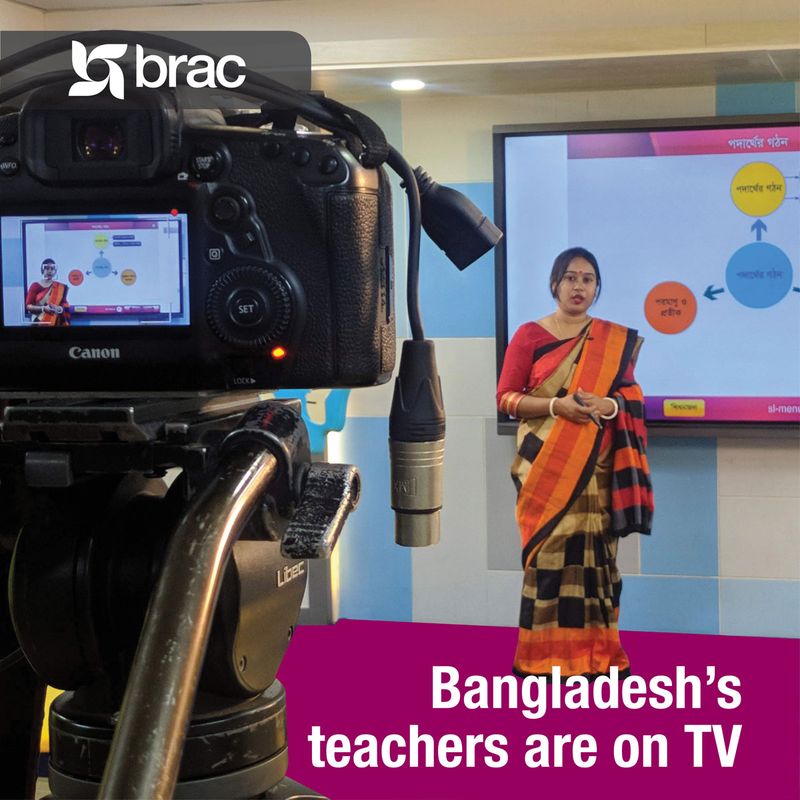
In partnership with government and private broadcasters, BRAC also produced televised educational content. BRAC teachers were filmed delivering model lessons that aired on national TV channels, reaching millions of children simultaneously.
These TV lessons were:
- Aligned with the national curriculum
- Designed to be visually engaging with props, charts, and demonstrations
- Scheduled at times when children were most likely to be home
- Supported by printed handouts distributed through BRAC's community networks
📱 Mobile Apps & Phone-Based Learning
For families with basic smartphones, BRAC deployed mobile-based learning solutions:
- Teacher-student phone calls: BRAC teachers conducted regular group calls with 3–4 students and their parents, checking progress, answering questions, and assigning work
- SMS reminders: Text messages sent to parents reminding them of broadcast schedules, homework deadlines, and health guidelines
- Audio lessons via phone: Pre-recorded lessons shared through messaging apps like WhatsApp and Messenger
- Interactive voice response (IVR): Students could call a number and listen to lessons, with options to navigate through subjects using keypad inputs
📊 Technology Monitoring & Data-Driven Improvement
What set BRAC's digital pivot apart was not just the tools it used, but how rigorously it monitored their effectiveness. BRAC implemented:
- Real-time attendance tracking: Monitoring which students tuned into radio lessons, joined phone calls, or accessed digital content
- Learning outcome assessments: Conducting regular phone-based quizzes and evaluations to measure whether children were actually learning
- Feedback loops: Collecting feedback from parents, students, and teachers to continuously improve content and delivery methods
- Equity audits: Tracking whether digital interventions were reaching girls, children with disabilities, and the ultra-poor — or only the relatively privileged
This data-driven approach allowed BRAC to adapt in real time. When data showed that girls had less access to phones than boys, BRAC adjusted by scheduling radio broadcasts at times when the whole family could listen. When assessments revealed learning gaps, BRAC created remedial content.
4. The Post-COVID Digital Legacy
As schools reopened, BRAC did not abandon its digital investments. Instead, it integrated them into a blended learning model that combines the best of in-person and digital education:
- Digital labs are now permanent fixtures in BRAC-supported secondary schools
- Teacher training continues online — making professional development more accessible and frequent
- Multimedia content is used in classrooms to supplement traditional teaching
- Phone-based monitoring continues as a tool for tracking attendance and learning outcomes
- Radio and TV content remain valuable for reaching children in emergencies and remote areas
The pandemic forced a digital transformation that might otherwise have taken a decade. BRAC emerged from it not just resilient, but digitally empowered.
5. Conclusion: Technology as an Equalizer
BRAC's digital and modern education initiatives represent a fundamental shift in how NGOs think about technology. It is not about shiny gadgets or impressive pilot projects. It is about equity — ensuring that the children born into poverty have the same digital opportunities as those born into privilege.
From Sheikh Russel Digital Labs in rural secondary schools, to online teacher training platforms, to radio broadcasts that turned living rooms into classrooms during a pandemic — BRAC has shown that technology, when deployed with empathy and rigor, can be the great equalizer.